
Machine data is missing, manual, or difficult to trust.
- Start here
- Factory Connectivity & Data Foundation
SOLUTIONS
Merikh solutions begin with the operating problem your team needs to solve. Each one combines reliable data, production context, role-based workflows, and governed intelligence—so the result is more than another dashboard.
The best first use case is not always the largest one. It is the problem with enough operational value, available evidence, and clear ownership to create a measurable learning loop.
| If this sounds familiar… | Start here |
|---|---|
| Machine data is missing, manual, or difficult to trust. | Factory Connectivity & Data Foundation |
| Teams cannot see what is running, why output is behind, or whether OEE is reliable. | Production Visibility & OEE |
| Downtime is visible, but reasons are incomplete and recurring losses remain unresolved. | Downtime & Loss Intelligence |
| Findings are discussed, but actions lose ownership and impact is not verified. | Action Coordination & Continuous Improvement |
| Maintenance priorities are disconnected from production risk and asset evidence. | Maintenance & Reliability |
| Defects and waste are measured, but not connected to the conditions that created them. | Quality & Waste Intelligence |
| Plans become outdated as soon as factory conditions change. | Production Planning & Flow |
| Teams want AI assistance, but need evidence, boundaries, and approval. | Industrial AI Agents |
| Solution | Status | Card copy | CTA |
|---|---|---|---|
| Factory Connectivity & Data Foundation | Launch | Connect machines, systems, cameras, and operator input to create a reliable source of factory data. | Explore Connectivity |
| Production Visibility & OEE | Launch | Turn machine signals and production context into trusted performance views across assets, lines, products, and shifts. | Explore Visibility & OEE |
| Downtime & Loss Intelligence | Launch | Identify where production is being lost, capture the evidence behind each event, and focus the team on recurring causes. | Explore Loss Intelligence |
| Action Coordination & Continuous Improvement | Launch | Move from insight to recommendation, ownership, execution, and measured impact in one operational loop. | Explore Continuous Improvement |
| Maintenance & Reliability | In Development | Prioritize maintenance with asset history, production impact, failure evidence, and role-based workflows. | View Direction |
| Quality & Waste Intelligence | In Development | Connect defects, scrap, and rework to product, process, machine, and corrective-action context. | View Direction |
| Production Planning & Flow | In Development | Keep schedules and priorities connected to live factory conditions, constraints, and actual output. | View Direction |
| Industrial AI Agents | Vision | Support each role with factory-aware agents that reason with evidence and act only within defined authority. | Explore the Vision |
| Role | Decision supported |
|---|---|
| Factory manager | Where is the plant losing capacity, quality, or time—and which response deserves priority? |
| Production | What is affecting today’s output, where is the constraint, and what should the shift act on now? |
| Maintenance | Which event matters most, what evidence supports it, and how does it affect production? |
| Quality | Which conditions are associated with defects, waste, or process instability? |
| Continuous improvement | Which cause is recurring, which action was implemented, and did the result hold? |
| IT/OT | Are connections healthy, data mappings valid, and platform boundaries controlled? |
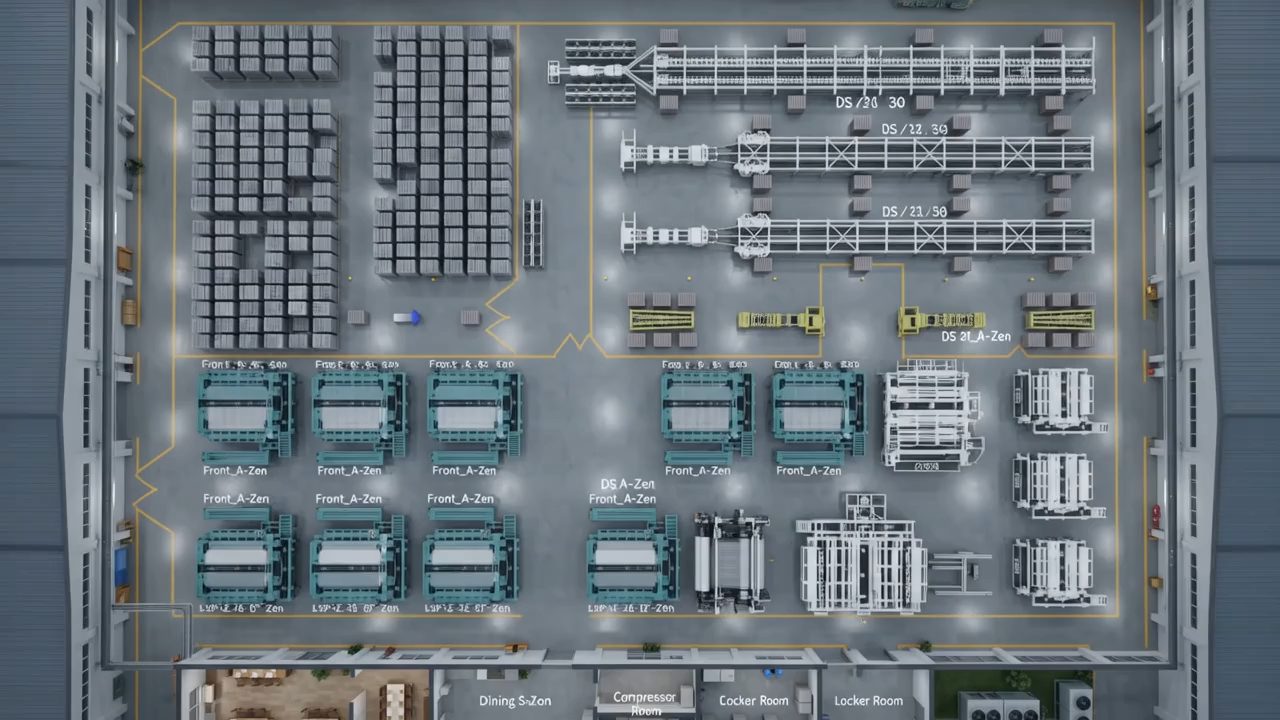
Merikh is being applied to a mixed-generation textile environment to connect industrial equipment, capture machine states and production signals, and improve the visibility of stops and their operational context. The work is structured as a measurable deployment, with capability and outcome claims published only after validation.